Launch in 1 to 2 Weeks

Free Support for 1 Month

Custom & Modern Designs

Enterprise-Grade Security

100% SEO-Optimised

Built to Convert Leads
Home › Guides › WordPress vs Webflow

4.8/5 Rated on Google

WordPress vs Webflow: Choosing Between Two Very Different Approaches

Webflow suits design led teams who want pixel level visual control and are comfortable with a hosted, more specialist tool. WordPress suits businesses that want a larger talent pool, wider plugin options, easier content editing for non designers and full ownership of the site.

Featured & Listed In :

WordPress vs Webflow at a glance

WordPress vs Webflow is really a question about who builds and who maintains the site. Webflow is a hosted visual design platform that appeals to designers who want to build precise layouts without writing much code. WordPress is open source software with a huge ecosystem, usually chosen by businesses that want flexibility, familiarity and the ability to hire help from many suppliers.

Both can produce beautiful, fast, professional websites. The difference is in the working model. Webflow feels like a design application that publishes websites. WordPress feels like a content system that can be designed in many ways. We work in WordPress, mainly with Elementor, so we declare that bias now and promise to say where Webflow is the better fit. This is one of several comparisons in our guides hub, alongside WordPress vs Wix and WordPress vs Squarespace.

mccampus scaled
HAeX scaled

Where Webflow is strong

Webflow gives designers close control over layout, spacing, animation and responsive behaviour through a visual interface that maps closely to how the web actually works. For a brand that wants distinctive motion and tightly designed pages, and has a designer or team who enjoy the tool, it can produce excellent results with relatively little custom code.

Hosting and security are managed as part of the platform, so there is less to maintain than a self hosted site. There is also no plugin sprawl to manage, because many features are built in.

The costs of that model are a steeper learning curve for anyone who is not a designer, a smaller pool of freelancers and agencies who know it well, and less flexibility when you need behaviour that the platform does not offer. Pricing is also plan based, so check its current pricing page rather than relying on an old number.

Where WordPress is strong

WordPress has the largest pool of developers, designers, agencies and learning material of any website platform. That matters over the life of a site. If your supplier retires, raises prices or disappears, you can find another quickly. Our developer disappeared guide exists because it happens often, and WordPress sites can almost always be rescued.

It also handles complex requirements well: large content libraries, multilingual sites, memberships, bookings, custom post types, integrations and online shops through WooCommerce. If a feature is unusual, a developer can build it. See our WordPress development service for the kind of custom work we take on.

Content editing is the other advantage. With a good build, marketing staff and non technical editors can update pages, publish articles and manage products without touching design, which keeps the site current and costs low.

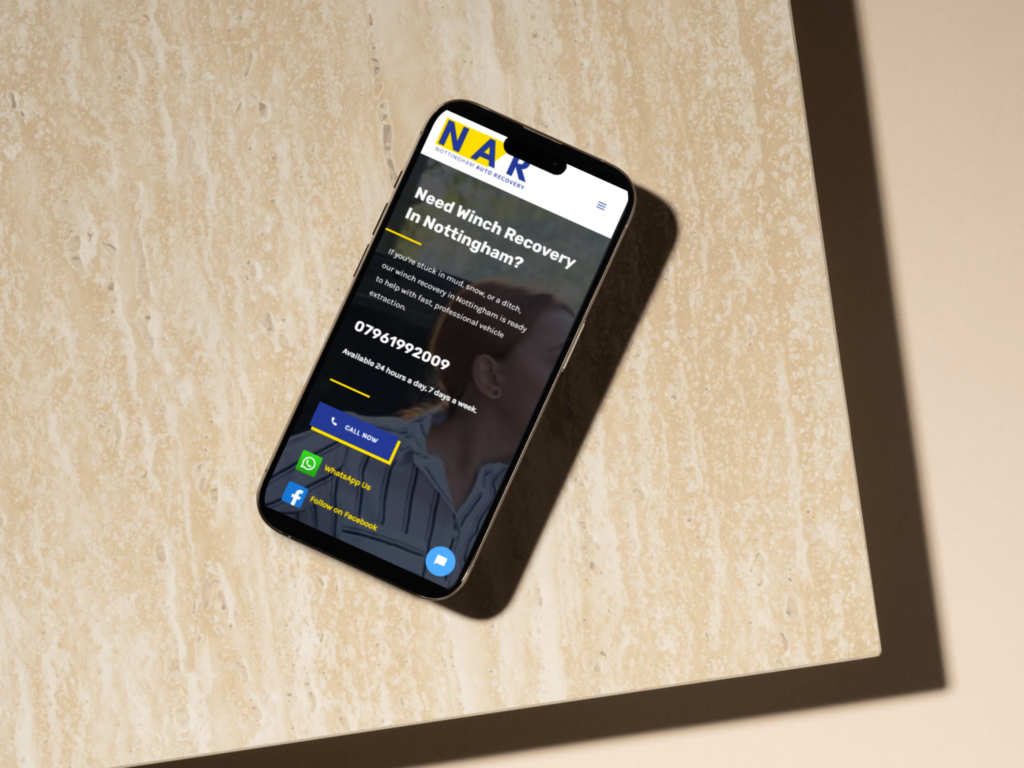
nottinghamautorecovery scaled
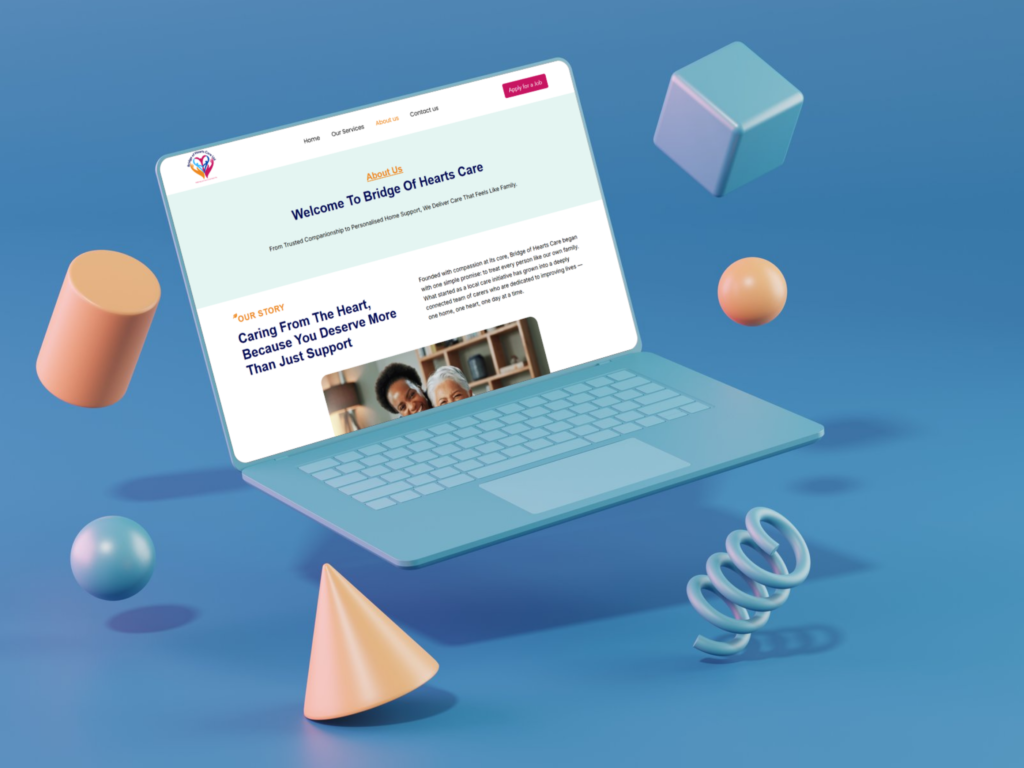
bridgeofhearts scaled

Editing, ownership and long term flexibility

Ownership is the clearest structural difference. A WordPress site is files and a database you control, and it can move host or supplier freely. A Webflow site lives on its platform, so moving away generally means rebuilding the front end elsewhere. That is not a flaw, simply a feature of hosted platforms, but it should be a conscious choice.

Editing differs too. Many Webflow projects separate design work, done in the designer, from content editing, done in a simpler editor, which can work very well when set up carefully. WordPress offers a range of editing experiences depending on how it is built. With Elementor, editors work visually on the page. If you want to compare WordPress editing options, see Elementor vs Divi vs Gutenberg.

Consider also the pace of change. Marketing teams tend to need frequent small updates. Check how comfortable your own team would be with each tool before deciding, ideally by asking to try the real editing experience rather than watching a demo.

SEO, performance and e-commerce

Both platforms can be fast and well optimised. Webflow produces clean output and handles many technical basics, which suits teams with design discipline. WordPress performance depends heavily on hosting, theme and plugins, which means it can be excellent or poor, and good builds take care here. Our WordPress SEO services and our work on page speed ensure the former.

For search, WordPress has an enormous ecosystem of SEO tooling and developers who specialise in it, which can be an advantage on larger or more competitive sites. Webflow supports the core requirements of titles, descriptions, redirects and structured content, so a well built Webflow site can rank very well too.

For selling online, WordPress with WooCommerce is a mature and widely supported route, while Webflow offers its own shop features that suit smaller or design led catalogues. If a shop is central to your plan, read WordPress vs Shopify as well.

white blank screens mockup scaled
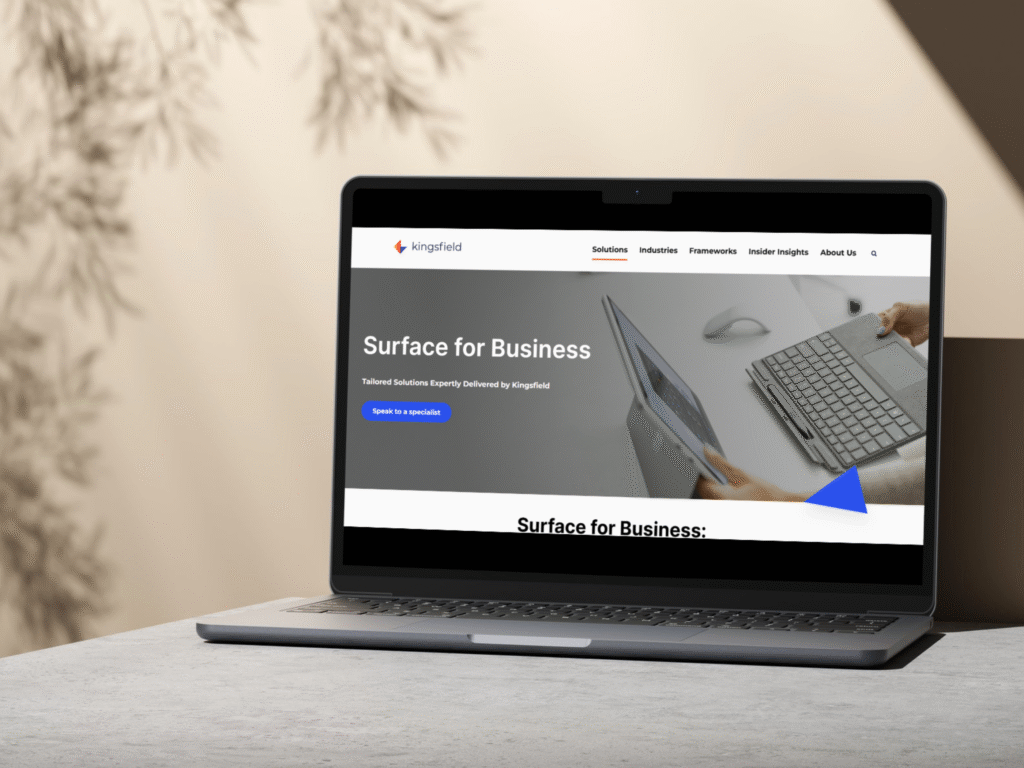
Kingsfield IT scaled

Cost and quick comparison

Webflow costs are mostly platform plans and the time of whoever builds in it. WordPress costs are hosting, the build and maintenance. Both can be expensive when done well and inexpensive when kept simple. A professionally built WordPress website from us starts from £499, and maintenance starts from £99 a month with no lock in contract. See our WordPress website cost guide and free cost calculator for realistic figures. A quick comparison:

  • Design control: Webflow is excellent for designers; WordPress achieves similar results with a page builder and a skilled developer
  • Talent pool: WordPress has far more suppliers; Webflow has a smaller specialist community
  • Ownership: WordPress is portable; Webflow is hosted on its own platform
  • Extensibility: WordPress has thousands of plugins and custom development; Webflow has built in features and integrations
  • Upkeep: Webflow manages hosting and updates; WordPress needs a maintenance routine
  • Best for: Webflow suits design led teams; WordPress suits businesses that want flexibility and easy hand over

Want to talk it through?

Book a free 15 minute website audit, or call or message us on WhatsApp. Fixed quotes, no obligation.

Questions worth asking any supplier

Whichever platform you lean towards, ask the supplier a few direct questions. Who will own the domain and hosting account? Can you see a real site they built, and edit it yourself during the call? What happens to the site if you stop working together? How will forms, analytics and redirects be handled at launch?

Good suppliers answer these simply and without defensiveness. Vague answers are a signal to keep looking. Asking early costs nothing and protects you from the most common regrets, which are being locked in, being unable to edit your own pages and discovering hidden extras after you have paid a deposit.

americanhomesonline scaled
garnetservices scaled

Verdict: who should choose which

Choose Webflow if you have an in house designer or a studio who already works in it, your site is design led with distinctive layouts and motion, and you are comfortable with a hosted platform. It is a respected tool and a sensible choice in that situation.

Choose WordPress if you want the widest choice of suppliers, easy editing for non designers, large or complex content, an online shop with WooCommerce, or the freedom to own and move the site. It is also the safer choice if you cannot be sure who will maintain the site in five years.

Choose something simpler if the website is a small brochure and nobody will touch it often. A hosted builder or even a single landing page can serve you for now, and our landing page design work is a sensible first step.

Planning the decision and next steps

Before deciding, list your must haves: pages, features, who edits, how fast you need to launch and your realistic budget. Then ask each supplier to show the editing experience on a real site and to explain what happens if you leave. The answers usually reveal the right platform quickly.

If you are on Webflow and wondering about moving, or on WordPress and wondering whether you chose well, our redesign and rebuild team will give a straight view. Book our free 15 minute website audit or call +44 7868 697974, or send details through the contact page. Where Webflow is the better answer for you, we will say so.

Related: Guides hub · WordPress vs Wix · WordPress vs Squarespace · Elementor vs Divi vs Gutenberg · WordPress website cost · WordPress development

Divine Care Services scaled

Ready for a quote you can trust?

Book a free 15 minute website audit, or call or message us on WhatsApp. Fixed quotes, no obligation.

Answers to Your Common Questions

Is Webflow better than WordPress?

Neither is better in every case. Webflow suits design led teams who want precise visual control on a hosted platform. WordPress suits businesses that want a large supplier pool, flexible features, easy editing for non designers and full ownership of the site.

Is WordPress easier to edit than Webflow?

For non designers, a well built WordPress site with a page builder is generally comfortable to edit. Webflow can also be easy to edit when content editing is set up properly, but its design tool has a steeper learning curve.

Can I move from Webflow to WordPress?

Yes. Content can be carried across and the design rebuilt on WordPress, with redirects set up so your search visibility is protected. We handle the full process through our redesign and rebuild service.

Which is better for SEO, WordPress or Webflow?

Both can rank well when built properly. WordPress has a larger SEO ecosystem and more specialists, which helps on bigger sites. Webflow supports the core technical requirements and produces clean output when built carefully.

Do you build Webflow sites?

No, we specialise in WordPress, mainly with Elementor. If Webflow is a better fit for your project we will tell you during the free 15 minute audit rather than recommend the wrong platform.

How much does a WordPress site cost compared with Webflow?

Both vary with scope. WordPress websites from us start from £499, with maintenance from £99 a month and no lock in contract. Webflow costs depend on its platform plans and build time. Our free calculator gives a quick WordPress estimate.

Get your free 15 minute website audit

Tell us about your project and we will reply within one working day with honest advice and a fixed quote. Prefer to talk? Call +44 7868 697974.