Launch in 1 to 2 Weeks

Free Support for 1 Month

Custom & Modern Designs

Enterprise-Grade Security

100% SEO-Optimised

Built to Convert Leads

Home › Guides › Who Owns My Website?

4.8/5 Rated on Google

Who Owns My Website? Domain, Hosting, Design and Content Explained

You should own your domain name, your content and your hosting account, and you should have a written agreement that says who owns the design and code. A website is several separate things, and ownership of each one can sit with a different person, so it is worth checking all of them.

Featured & Listed In :

Who owns my website? It depends which part you mean

Asking who owns my website sounds like a single question, but a website is built from five or six separate things, and each has its own owner. Getting this wrong is one of the commonest and most expensive surprises we see, usually when a business wants to change developer or move host and discovers it cannot get hold of something it assumed was theirs.

Here are the parts. The domain name is registered with a registrar, and the registrant is the legal owner. The hosting account is where the files and database live. The content covers your text, photographs, logos and videos. The design and code covers the theme, layout and any custom development. And the accounts and licences behind the site include plugin licences, email, analytics and the WordPress admin logins.

As a general rule, a business should be the named owner of the domain and hosting, should own the content it supplied or paid to have created, and should have clear rights to use the design and code it paid for. This is general information rather than legal advice, and the exact position depends on your contract. If a dispute arises, speak to a solicitor.

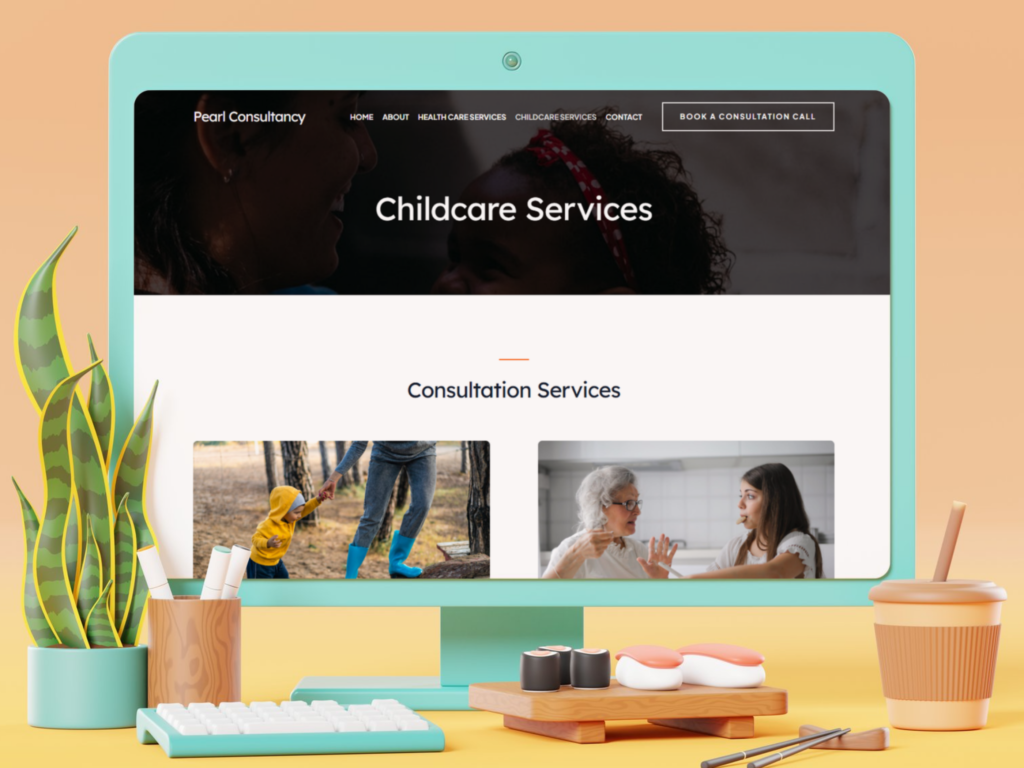
Pearl Consultancy scaled
Lifti App scaled

The domain name: the one thing you must control

Your domain is the address people type and the foundation of your email. Whoever is listed as the registrant is the owner, and that should be your business or you personally, never your web designer.

It happens often that a developer registers a domain on a client's behalf using their own account and their own contact details. While the relationship is good this causes no trouble. If it sours, or the developer closes down, you can find yourself unable to renew, transfer or even prove the domain is yours.

You can check in minutes. Search your domain on a public lookup tool and read the registrant and registrar details. Some registrars mask personal details, in which case log in to the registrar account itself. If you cannot log in because the account belongs to someone else, ask them to transfer the domain into an account you control, or to add you as the registrant.

Keep the registrant email address one you will always have access to, turn on auto renewal and lock the domain against transfer. Losing a domain through a missed renewal email is entirely avoidable.

One more point: if the domain was registered by a previous agency, check the expiry date as well. Domains lapse quietly when the original contact email no longer works, and a lapsed domain can be bought by someone else.

Want to talk it through?

Book a free 15 minute website audit, or call or message us on WhatsApp. Fixed quotes, no obligation.

Hosting, files and WordPress admin access

Hosting is the server that stores your site. Ideally you hold the account in your own name, pay the host directly and give your developer access, rather than the other way round. We do not provide hosting ourselves, partly for this reason: we recommend good hosts and set the site up, but the account is yours, so you can always take the site elsewhere.

Some agencies bundle hosting into a monthly fee and keep it in their own account. That can be convenient, but ask what happens if you leave. Can you get a full copy of the files and database on request, and how quickly? Is there a charge to release it?

You also need administrator access to WordPress itself. That means a login that you control, not just an editor account. Without admin rights you cannot see plugins, users or settings, and you cannot hire anyone else to take over. Check that you can log in, and that the email address attached to your account is yours.

If anything about this feels uncertain, it is worth a quick review alongside the checks in our guide on whether WordPress is secure, since controlling access is a security point as well as an ownership one.

A practical tip is to keep a simple shared document listing each account, the login email, the renewal date and who pays. Update it whenever something changes, and store it somewhere more than one trusted person can reach.
rehovotservices scaled
provirtualassist 1 scaled

Design, code and content: who owns what you paid for?

This is where contracts matter most. In many cases, when someone creates something for you, the creator holds the copyright unless the agreement says otherwise or transfers it. That does not mean you cannot use your site. It means the terms of use should be written down.

Look for answers to these questions in your agreement or proposal.

  • Do you receive full ownership of the finished design, or a licence to use it?
  • Is any of the code or any theme licensed from a third party, and who holds the licence?
  • Are the photographs, fonts and icons licensed for your use, and for how long?
  • Can you take the site to another developer, and will they receive everything needed?
  • Who owns custom plugins or features written specifically for you?

Content you wrote yourself or commissioned is normally yours, but stock images and fonts are usually licensed, not owned. Watch for photography downloaded from a free site without checking the licence, because a claim later can be awkward and costly.

A fair agreement spells all this out in plain English. If yours is silent, ask for it to be clarified now rather than later.

Warning signs, and how to protect yourself

These situations often signal trouble ahead.

  • The developer refuses to share the domain or hosting login.
  • You do not know which company holds your domain.
  • Hosting is bundled into a fee with no stated way to export the site.
  • A contract says the agency owns "everything" with no licence back to you.
  • The developer has stopped replying and nobody else has admin access.

If that last one sounds familiar, our guide to editing your own WordPress site covers what access you need to regain control.

To protect yourself, do four things now. Confirm you are the registrant of your domain. Make sure you hold an administrator login for WordPress. Keep an up to date list of every account tied to the site, including hosting, plugin licences, email and analytics. And ask for a copy of the site files and database at launch and at least once a year. These steps cost nothing and take less than an hour.

When you hire anyone new, ask the ownership questions before you sign, not after. A good agency will answer them happily and put the answers in writing.

hand holding phone mockup scaled

Want to talk it through?

Book a free 15 minute website audit, or call or message us on WhatsApp. Fixed quotes, no obligation.

mccampus scaled

How we handle ownership at WWD Agency

We believe you should own your website. The domain should be registered in your name, hosting should sit in your own account, and you should have admin access to your WordPress site from day one. We do not hold sites hostage, and our WordPress maintenance from £99 a month has no lock in contract, so you stay because it is useful, not because you are trapped.

If you have inherited a site from a developer who has gone quiet, we can help you work out what you control and recover access where it is possible. Our support and maintenance service covers taking over existing sites, and our redesign and rebuild service is the answer when a site is too far gone to rescue.

If you are planning something new, our cost guide and free cost calculator show what to budget. Websites start from £499, with fixed quotes upfront and most sites live in 1 to 2 weeks.

Not sure what you own right now? Book a free 15 minute website audit or call us, and we will check the basics with you.

Related: All WordPress guides · Is WordPress secure · Can I edit my own WordPress site · How many pages a small business website needs · WordPress support and maintenance · WordPress website cost UK · Contact us

Ready for a quote you can trust?

Book a free 15 minute website audit, or call or message us on WhatsApp. Fixed quotes, no obligation.

Answers to Your Common Questions

How do I find out who owns my domain?

Search your domain on a public lookup tool to see the registrant and registrar. If details are hidden, log in to the registrar account. If you cannot find the account, check old invoices and emails, or ask your developer in writing to confirm the registrant and transfer it to you.

Can my web designer keep my website?

It depends on your agreement and who holds the accounts. Your content is normally yours, but the design may be licensed. If a developer controls your domain, hosting and admin access, getting the site back can be difficult. Check the contract and secure access to every account.

Who owns the website content and images?

Content you wrote or commissioned is usually yours. Stock photos and fonts are normally licensed rather than owned, so check the licence terms. Ask for a list of image sources and licences, and keep a copy of your original files and logos.

Should I pay for hosting myself?

Ideally yes. Holding the hosting account in your own name means you can move the site, change developer or recover access without anyone's permission. We do not provide hosting, but we recommend suitable hosts and set the site up inside an account you control.

Is this legal advice?

No. This is general information to help you ask the right questions. Ownership depends on your contract and the facts of your situation. If you have a dispute or a high value site, take advice from a solicitor.

Get your free 15 minute website audit

Tell us about your project and we will reply within one working day with honest advice and a fixed quote. Prefer to talk? Call +44 7868 697974.