Launch in 1 to 2 Weeks

Free Support for 1 Month

Custom & Modern Designs

Enterprise-Grade Security

100% SEO-Optimised

Built to Convert Leads

Home › Guides › Local SEO for UK Small Businesses

4.8/5 Rated on Google

Local SEO for Small Business UK: A Practical Guide

Local SEO for a small business in the UK means making sure you appear when nearby customers search for what you do. The core steps are a complete Google Business Profile, a steady flow of genuine reviews, consistent business details everywhere online, and website pages that clearly state what you offer and where.

Featured & Listed In :

Local SEO for small business UK: what it is and why it matters

When someone searches for "plumber near me" or "accountant in Leeds", Google shows a map with a short list of local businesses above the usual results. Getting into that list is what local SEO is about. It matters because these searchers are often ready to act: they want a phone number, opening hours or directions, and many contact the first business that looks credible.

Local search works differently from ordinary search. Google weighs three broad things: how relevant your business looks to the search, how close you are to the person searching, and how prominent you seem, based on reviews, mentions and the quality of your website. You cannot change distance, but you can improve relevance and prominence a great deal.

The good news for small firms is that local search rewards effort more than budget. A tradesperson or a shop with a carefully kept profile, honest reviews and a clear website can outrank larger competitors. This guide walks through the pieces in order of impact. If you want hands on help beyond it, our WordPress SEO services cover local and national optimisation.

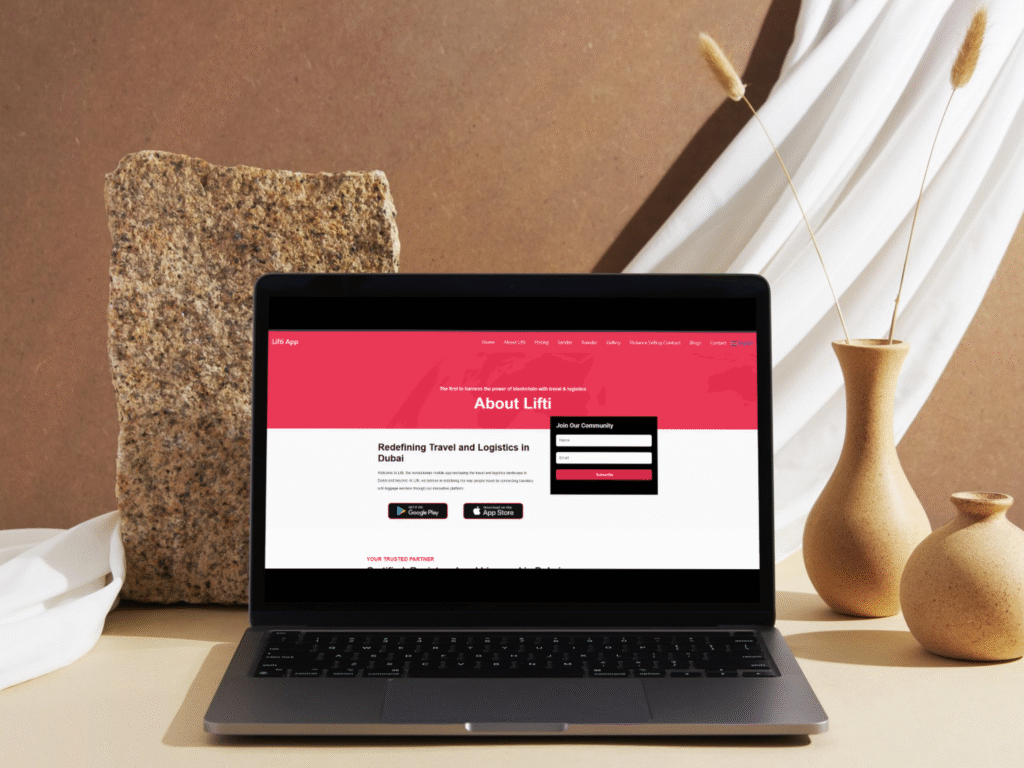
Lifti App scaled
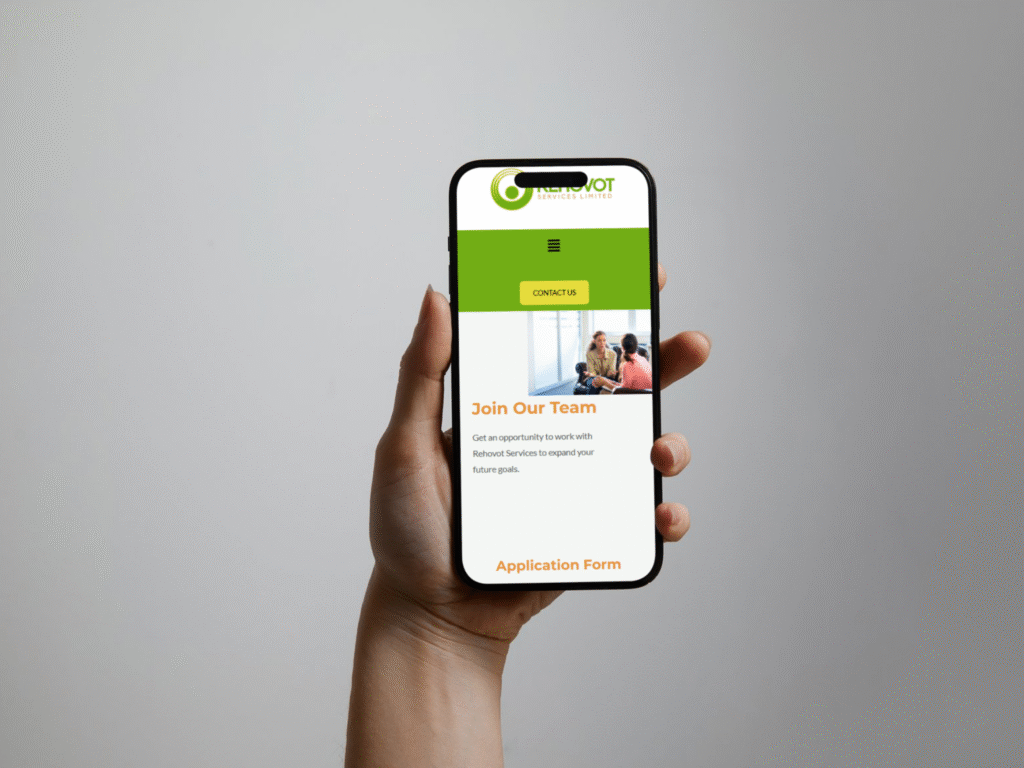
rehovotservices scaled

Your Google Business Profile comes first

Your Google Business Profile is the listing that appears on maps and in the local results. For most small businesses it is the single most important local SEO asset, and it is free.

  • Claim and verify it. Without verification you cannot manage the listing.
  • Choose the right primary category. This is a strong relevance signal. Pick the one that best describes your main service, then add secondary categories honestly.
  • Fill in every field. Opening hours, phone, website, services, service areas and a clear description written for customers, not for search engines.
  • Add real photographs. Your premises, your team and examples of your work. Genuine images build trust.
  • Keep hours accurate, including bank holiday changes.
  • Post updates and offers occasionally to show the business is active.

If you work from home or travel to customers, you can hide your address and list the areas you serve. Do not use a false address or a virtual office to appear somewhere you are not. That breaks Google's guidelines and risks suspension.

Want to talk it through?

Book a free 15 minute website audit, or call or message us on WhatsApp. Fixed quotes, no obligation.

Reviews: how to earn them and what to do with them

Reviews influence both rankings and decisions. Customers read them closely, and a business with a good rating and recent feedback usually wins the click over one with none.

Ask every happy customer for a review, ideally soon after the job while it is fresh. Make it easy by sending a direct link to your review page by text or email. A short, polite message works better than a long one. Do not offer payment or gifts in return for reviews, and do not write or buy fake ones. Review platforms forbid it, it can lead to removal, and it is the sort of thing that damages trust if discovered.

Reply to every review, good and bad. Thank people by name and mention something specific. For a negative review, stay calm, apologise where fair, explain briefly and offer to fix the problem offline. Future customers are reading your reply as much as the complaint.

Show your reviews on your website too, with a link to the source so visitors can check them. Our own listing is described on the reviews page, which is how we think about it: real ratings, linked to where they live. Better trust signals also help turn visitors into enquiries, as covered in our guide to getting more leads from a website.

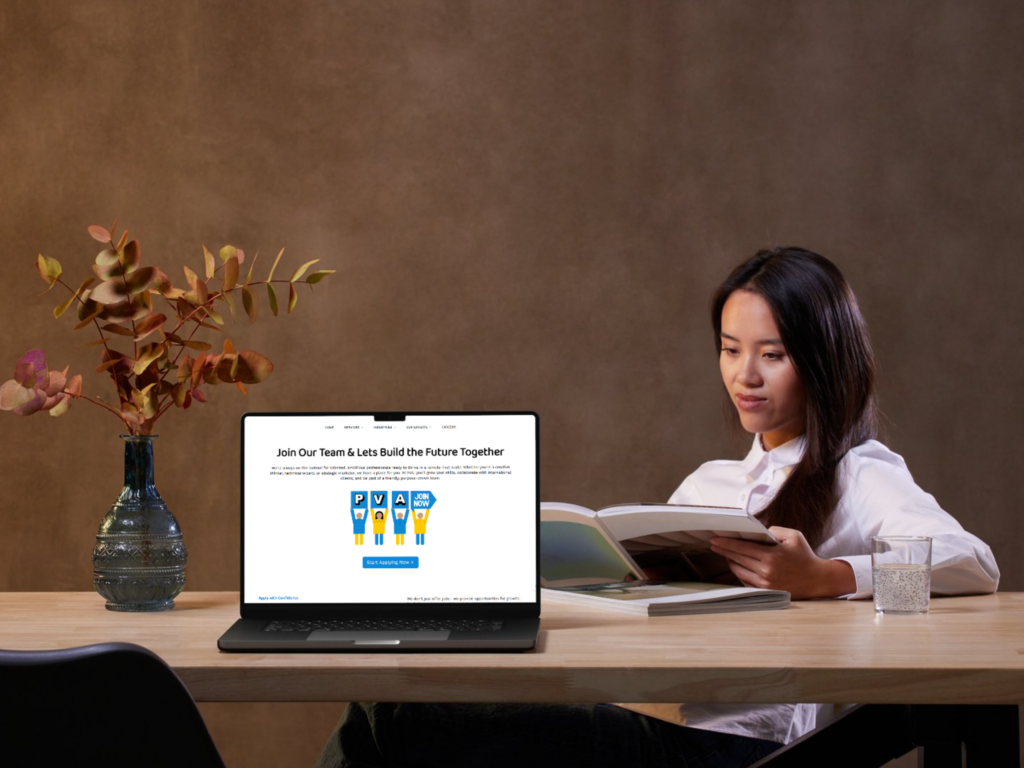
provirtualassist 1 scaled
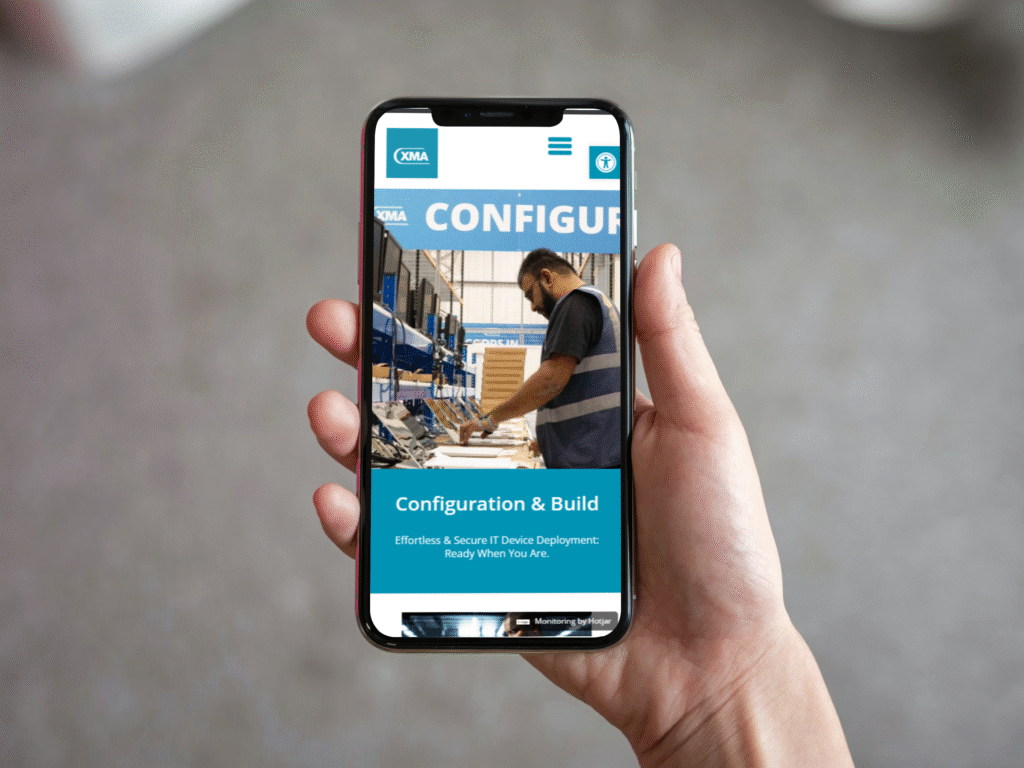
hand holding phone mockup scaled

NAP consistency and local citations

NAP stands for name, address and phone number. Search engines compare your details across the web to decide whether they can trust them. If you appear as "Smith & Sons Plumbing Ltd" in one place, "Smith and Sons" in another, with an old phone number on a third site, your listing looks less reliable.

Pick one exact version of your business name, address and phone number, and use it everywhere: your website footer, your Google profile, social media, trade bodies, directories and anywhere else you are listed. Check old listings after any move or rebrand, because outdated ones linger for years.

A citation is simply a mention of your business details on another site. Useful sources for UK businesses include Yell, Thomson Local, Bing Places, Apple Business Connect, Facebook, Trustpilot and sector directories, plus your local chamber of commerce or trade association. Focus on quality and accuracy, not volume. Twenty accurate, relevant listings beat two hundred scattered ones.

Keep a simple spreadsheet recording each listing, the login, the details shown and the date you last checked it. It saves hours later and protects you from errors if staff change.

Your website: local pages and on page signals

Your website needs to confirm what your Google profile claims. Put your business name, address and phone number in the footer or contact page, matching your listing exactly, and embed a map on the contact page.

Give each main service its own page, written for that search, such as "boiler servicing" rather than one catch all services page. Mention the areas you serve in natural sentences, with real detail: districts, typical customers, the kind of work you do there.

If you serve several towns or boroughs, location pages can help, but only when each one has something genuinely different to say. Pages that repeat identical text with a place name swapped are thin, add little and can hold the site back. Include local proof such as a relevant project or a customer review from that area. You can see this approach in our areas hub and in pages such as WordPress agency London.

Technical basics matter as well. Pages should load quickly on mobile, which our guide to speeding up WordPress explains, and use a clear title and heading for each service and area. Add LocalBusiness structured data so search engines can read your details directly.

Plan your page structure early. Our guide to how many pages a small business website needs shows how service and area pages fit together.

mccampus scaled

Want to talk it through?

Book a free 15 minute website audit, or call or message us on WhatsApp. Fixed quotes, no obligation.

HAeX scaled

A local SEO checklist and what to expect

Work through this list over a few weeks.

  • Claim and verify your Google Business Profile, choose accurate categories and complete every field.
  • Upload real photographs and keep opening hours accurate.
  • Set up a routine for requesting reviews, and reply to all of them.
  • Decide on one exact name, address and phone format, and correct it across every listing.
  • Add your business to a handful of relevant UK directories and trade bodies.
  • Create a page for each main service, with area detail written for real customers.
  • Add local structured data, a map and clear contact details to your site.
  • Check mobile speed and fix anything slow.

Local SEO takes time. Improvements to a profile can show within weeks, but reviews, citations and content build visibility over a few months. Be wary of anyone guaranteeing a number one ranking, since nobody controls Google.

Measure with free tools. Google Business Profile shows calls, direction requests and website clicks, and Search Console shows which searches bring visitors. Compare month to month and adjust.

Our WordPress web design includes the on site foundations, and websites start from £499. For a rough budget, try the free cost calculator.

Getting help with local SEO

Plenty of owners handle the profile and reviews themselves and need help only with the website. Others prefer to hand it all over. We are based in Camberwell, London and work with UK businesses remotely and in person, so we understand how local search works for service firms, shops and professional practices.

We build WordPress sites with sound structure, quick loading and clear local signals, with a fixed quote upfront. Most sites go live in 1 to 2 weeks, with unlimited revisions during the project and one month of free support afterwards. Our cost guide explains what influences the price.

Want to know how your business looks to local searchers right now? Book a free 15 minute website audit or call us, and we will check your profile, site and listings with you.

Related: All WordPress guides · How to get more leads from a website · How many pages a small business website needs · How to speed up WordPress · WordPress SEO services · Areas we cover · Contact us

nottinghamautorecovery scaled

Ready for a quote you can trust?

Book a free 15 minute website audit, or call or message us on WhatsApp. Fixed quotes, no obligation.

Answers to Your Common Questions

How long does local SEO take to work?

Profile improvements can show within a few weeks, but reviews, citations and quality pages usually build visibility over three to six months. Results depend on competition and starting point. Beware of anyone promising guaranteed rankings, because search results are not controllable.

Do I need a website if I have a Google Business Profile?

Yes. The profile gets you seen, but your website explains your services, proves your credibility and captures enquiries. Google also uses your site to judge relevance. A fast, clear website makes the profile work harder.

What is NAP consistency?

It means using the same business name, address and phone number everywhere online. Search engines compare these details across sites to judge reliability. Inconsistent or outdated listings can confuse them and customers, so audit your listings after any move or rebrand.

Can I do local SEO without a physical shop?

Yes. Service area businesses can hide their address on the profile and list the areas they cover. Do not use a fake address. Build service pages and reviews that show where you work, and keep your details consistent across directories.

How many reviews do I need?

There is no fixed number. Aim for a steady flow of genuine, recent reviews rather than a burst. Reply to each one. Customers read the pattern as well as the rating, and an active profile looks more trustworthy than a stale one.

Get your free 15 minute website audit

Tell us about your project and we will reply within one working day with honest advice and a fixed quote. Prefer to talk? Call +44 7868 697974.