Launch in 1 to 2 Weeks

Free Support for 1 Month

Custom & Modern Designs

Enterprise-Grade Security

100% SEO-Optimised

Built to Convert Leads

Home › Guides › How to Brief a Web Designer

4.8/5 Rated on Google

How to Brief a Web Designer: A Practical Template

To brief a web designer well, write one or two pages covering your business, your audience, the goal of the site, the pages and features you need, examples you like, your budget range and your deadline. A clear brief gets you a more accurate quote and a better site on the first attempt.

Featured & Listed In :

How to brief a web designer in one page

How to brief a web designer: describe who you are, who the site is for, what you want visitors to do, what content and features you need, what you like and dislike, how much you can spend and when you need it. That is the whole job. You do not need design vocabulary or technical knowledge, only clarity about your business and your goals.

A brief matters because designers can only quote and build what they understand. A vague request such as "I need a modern website" produces vague quotes, wide price ranges and revisions that circle around taste rather than function. A clear brief shortens the whole project, because the first draft starts closer to what you wanted.

The sections below follow the order we suggest, with a short template at the end that you can copy. Spend an hour on it, and you will usually save days later. If you are still choosing who to send it to, our guide on how to choose a WordPress agency in the UK helps you shortlist.

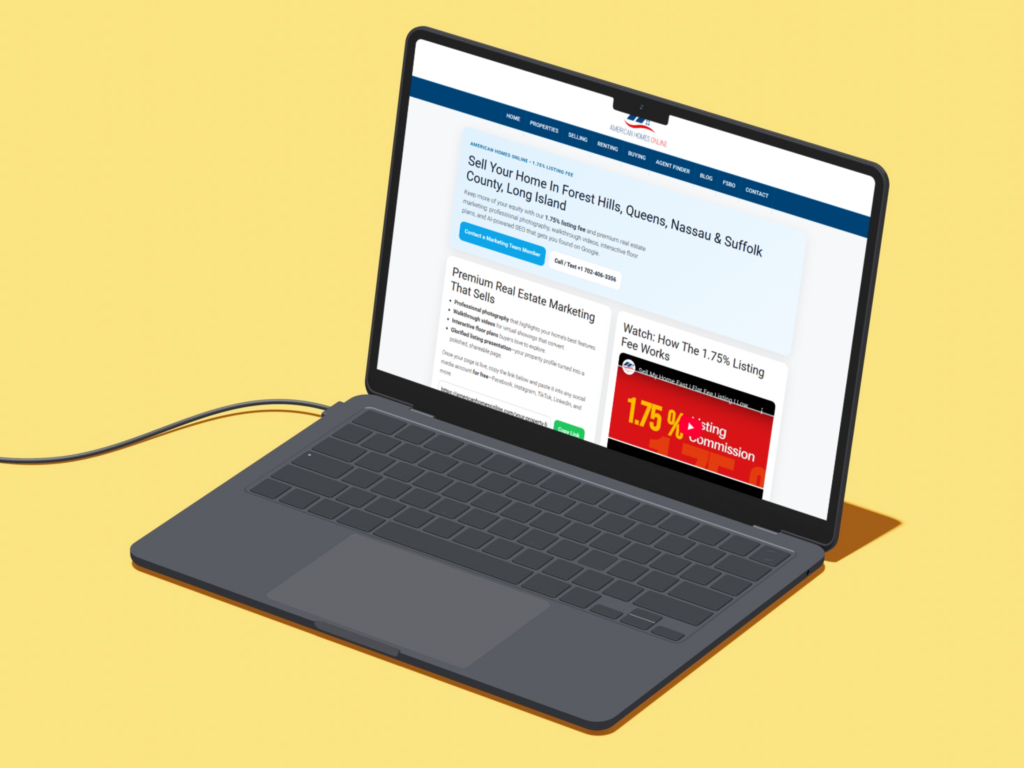
americanhomesonline scaled
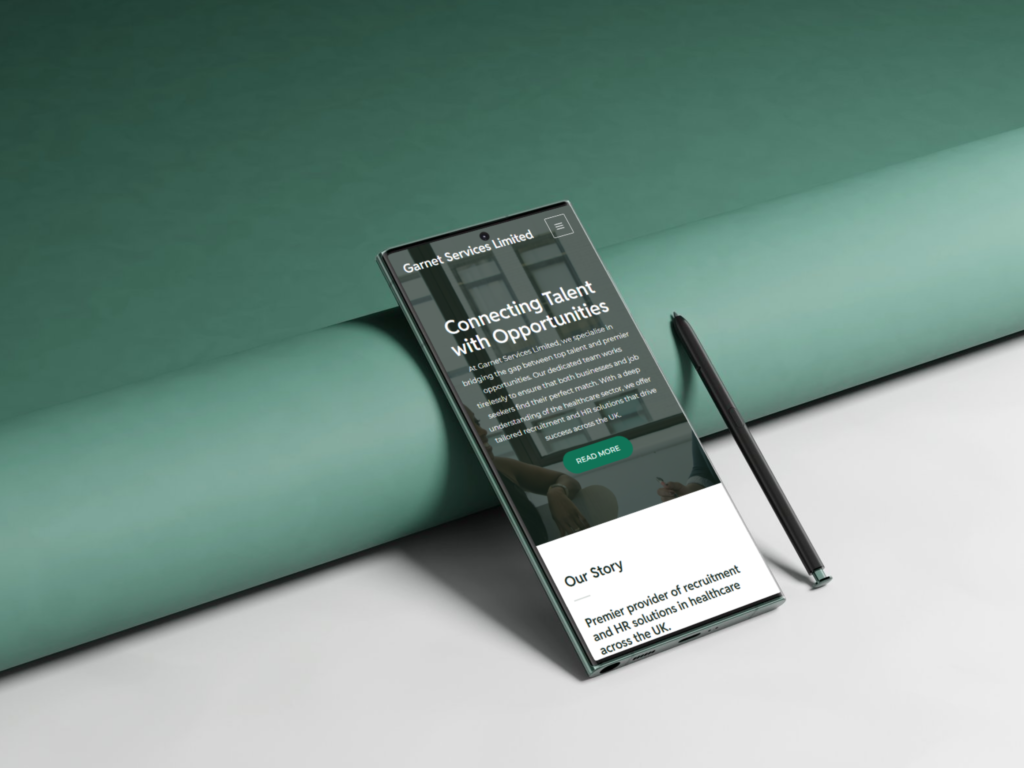
garnetservices scaled

Start with your business and your customers

Open with a short description of what you do, who buys from you and what makes you different. Two or three paragraphs are enough. Include the town or region you serve, whether you work with consumers or other businesses, the typical size of job or order, and what a good customer looks like.

Then describe your audience in practical terms. How old are they, roughly? Are they on phones in a hurry, or at a desk doing research? What do they worry about before they buy? What questions do they ask on the phone? The answers shape layout, wording and the order of information. A site for an emergency plumber should put a phone number first. A site for an architect should lead with portfolio work.

If you have a brand already, say so. Share your logo files, brand colours, fonts and any guidelines. If you do not, say that too. A designer can propose a simple identity for the site, though a full branding project is a separate piece of work.

Define the goal, in a way you can measure

The most useful sentence in any brief is the goal. Not "to have a website", but something like "to get 20 more quote requests a month" or "to let existing customers book online instead of phoning". Write down the single main action you want a visitor to take. Secondary goals can follow, but if everything is a priority, nothing is.

Say how you will judge success. Enquiries, phone calls, bookings, sales, newsletter sign ups or simply fewer repetitive questions are all valid. This helps your designer choose the right call to action, forms and page structure, and gives both of you a way to review the site after launch. Our guide to what a homepage should include shows how goals translate into layout.

If you are replacing an existing site, tell the designer what is not working. Be specific: slow, dated, hard to edit, not appearing in Google, not working on phones, or not bringing enquiries. Mention anything that works well and should be kept.

Divine Care Services scaled

Want to talk it through?

Book a free 15 minute website audit, or call or message us on WhatsApp. Fixed quotes, no obligation.

modern browser mockup scaled

List pages, features and content

Give a rough page list, even if it is just a sketch. For a small business this might be Home, About, Services with a page for each service, Case studies, Contact and perhaps a blog. Mark which pages are essential and which are nice to have.

  • Pages: the list above, with approximate number and any pages that need special layouts
  • Features: contact forms, booking, live chat, shop, memberships, multilingual support, maps, downloadable resources
  • Integrations: email marketing, CRM, payment providers, booking systems, social feeds
  • Content: who writes the text, who supplies photography, whether video is involved
  • Existing assets: logo files, photos, brand guidelines, current site content
  • Legal needs: privacy policy, cookie consent, terms, accessibility expectations

Show examples and say what you dislike

Pick three to five websites you like, from any industry, and note why. "I like how clear the pricing is" or "the navigation is simple" is far more useful than "I like it". Also pick one or two you dislike, and say why. Dislikes are surprisingly informative.

Be careful with copying. A designer should not duplicate a competitor's site, and you would not want them to. Examples show tone and structure, not a template to clone. Mention your direct competitors too, so the designer can make you look distinct rather than similar.

If you have strong views about colour, style or wording, mention them early. If you have no opinion, say that and let the designer propose a direction. Both are fine. The only problem is concealing preferences and revealing them in round three.

notebook mockup on desk scaled
Pearl Consultancy scaled

Budget and timeline: say them out loud

Many clients avoid giving a budget, fearing it will be spent in full. In practice, a range helps a designer propose what is realistic and avoids wasting your time with options you cannot afford. If you do not know what is reasonable, try our free WordPress website cost calculator and read our WordPress website cost guide first. Our websites start from £499, with fixed quotes upfront, so you know the total before work begins.

Give a target launch date and say whether it is fixed. A launch tied to an event, a campaign or a season is different from a loose "sometime this spring". Our guide on how long a WordPress website takes shows typical durations and where delays occur, and most of our sites go live within 1 to 2 weeks when content is ready.

Also mention ongoing costs you expect, such as hosting and maintenance. We do not provide hosting but can recommend options, and our WordPress support and maintenance plans start from £99 a month with no lock in contract.

A short template you can copy

Paste these headings into a document and answer each in a few lines.

1. About us. What we do, where, and for whom. 2. Audience. Who visits and what they want. 3. Goal. The main action and how we will measure it. 4. Current site. URL and what is and is not working. 5. Pages and features. Required and optional. 6. Content. What exists, what is needed, who provides it. 7. Examples. Three liked, one or two disliked, with reasons. 8. Brand. Logo, colours, fonts or none. 9. Budget and timeline. Range and launch date. 10. Decision process. Who approves, how fast.

Add the decision process because it is often forgotten. Name who has the final say and how quickly feedback will arrive. Projects slow down when five people each add a different opinion in the last week.

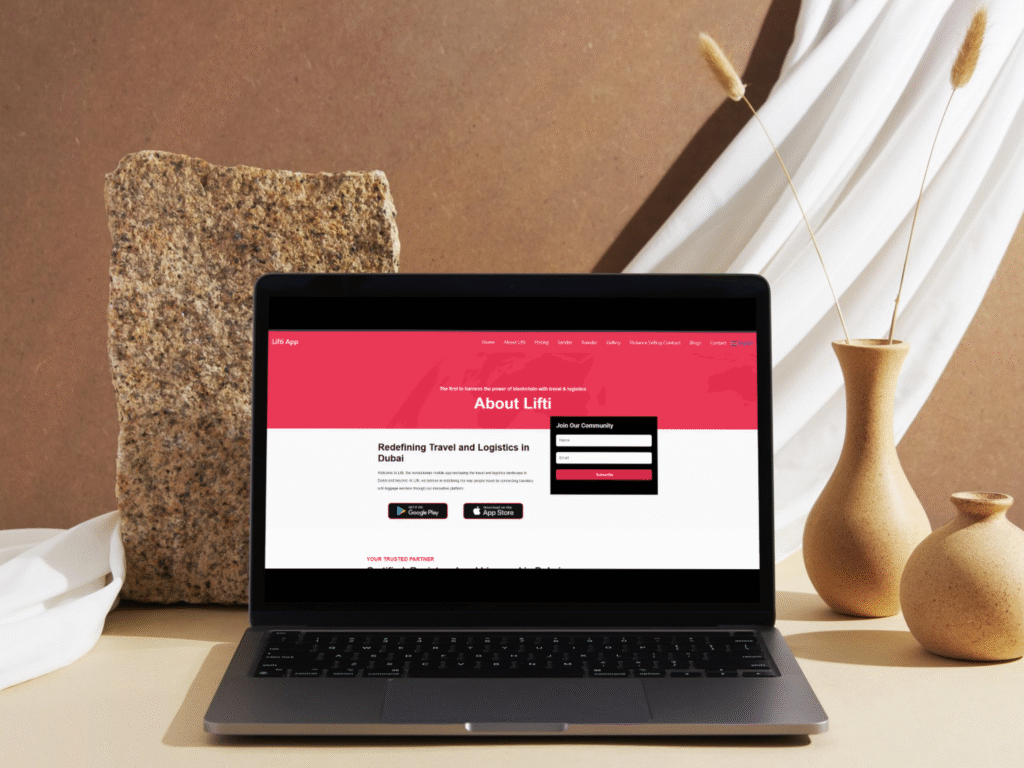
Lifti App scaled
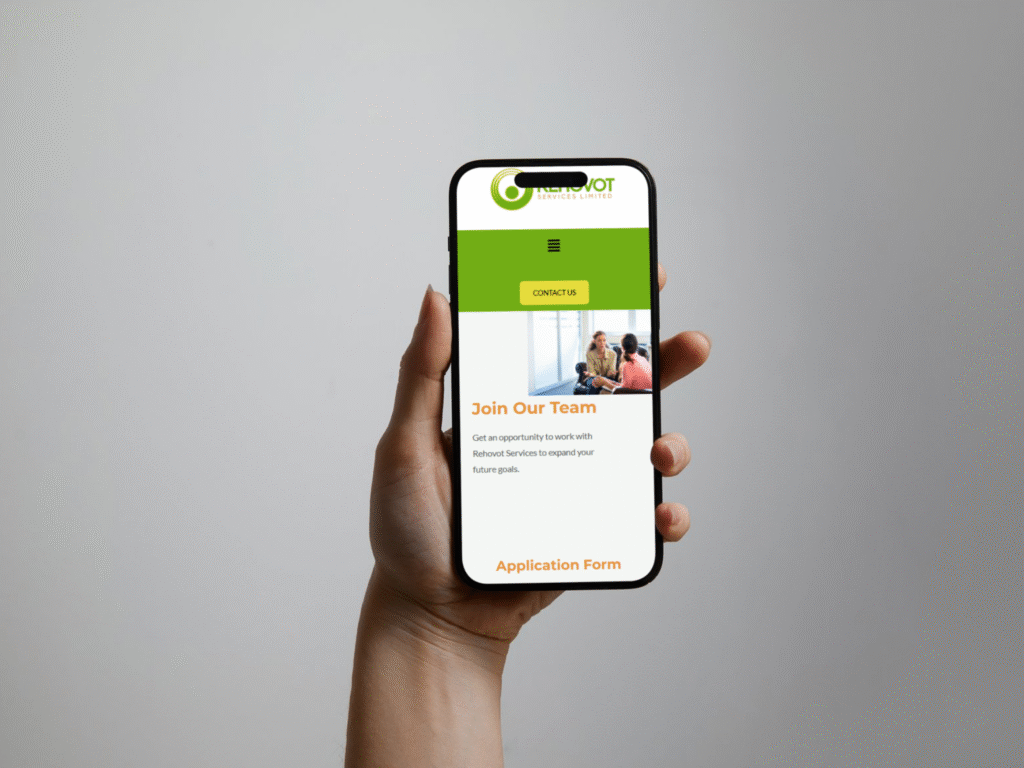
rehovotservices scaled

Mistakes that weaken a brief

The first is being too vague about the goal. The second is leaving out the budget. The third is listing every feature you have ever seen, which produces a bloated quote. The fourth is describing the solution rather than the problem, such as "I need a slider" instead of "I want visitors to see our best work quickly". Designers can often suggest a better route if they know the problem.

Another is hiding information, such as an existing agency relationship, a tricky booking system or a legal requirement, which then surfaces mid project. And finally, changing the brief after the quote is agreed. Small refinements are normal, and we include unlimited revisions during the project. But a change in scope, such as adding a shop, is a new conversation about price and time.

If your project involves moving from another platform, include that too. Our guides on moving from Wix to WordPress and moving from Squarespace to WordPress list what to gather. For a bigger site, look at WordPress web design to see how we scope.

Send us your brief

If you have a draft brief, even a rough one, send it over. We will read it, tell you what is missing and give you a fixed quote. If you would prefer to talk it through, book our free 15 minute website audit or call us and we will help you shape the brief together. You can also use the contact page or review the case studies to see what other businesses asked for. A good brief is the cheapest improvement you can make to any web project.

Related: All guides · What should a homepage include · How long does a WordPress website take · Best WordPress agencies UK · WordPress web design · Cost calculator · WordPress website cost UK

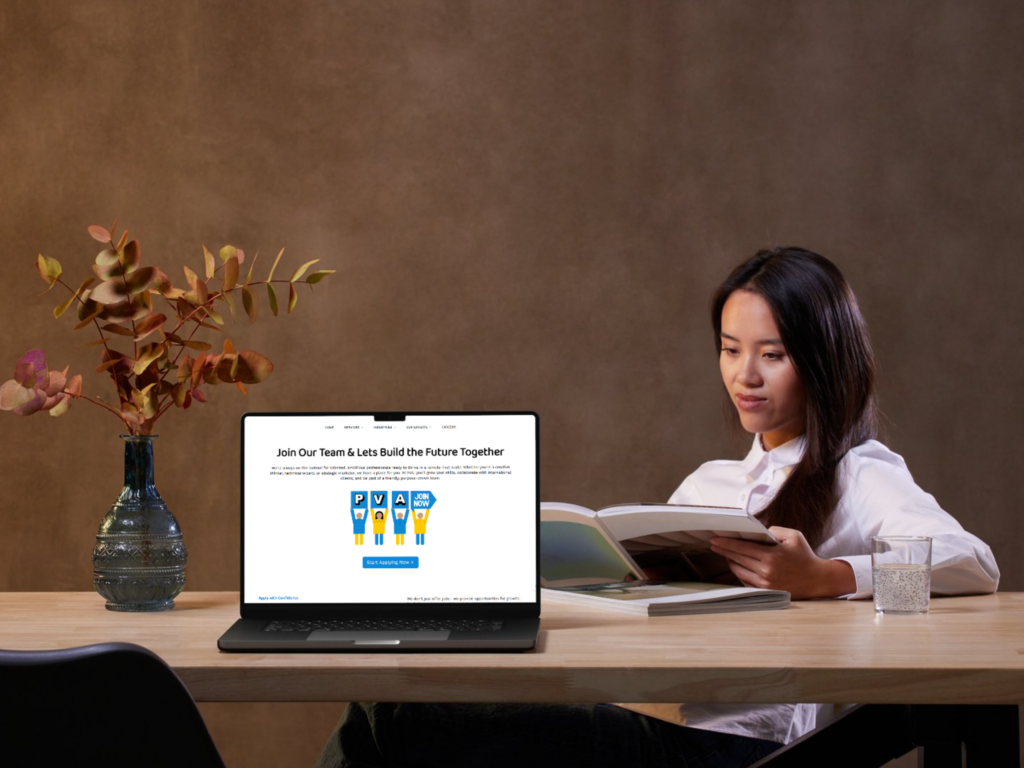
provirtualassist 1 scaled

Ready for a quote you can trust?

Book a free 15 minute website audit, or call or message us on WhatsApp. Fixed quotes, no obligation.

Answers to Your Common Questions

How long should a web design brief be?

One to two pages is usually enough. Cover your business, audience, goal, pages, features, examples, brand, budget and timeline. A short, clear brief is better than a long one full of detail that hides what really matters.

Do I need to know what I want before I contact a designer?

No. You need to know your business and your goals, not the design solution. A good designer will ask questions and propose options. The more you can say about customers, goals and examples you like, the better the proposal.

Should I share my budget with a web designer?

Yes, at least a range. It helps the designer propose realistic options and avoids wasted time. If you are unsure what is reasonable, use our free cost calculator first. Websites with us start from £499 with fixed quotes upfront.

What if I do not have any content yet?

Say so. A designer can help with structure and suggest what to write, and good stock images can fill gaps at launch. Content is the most common cause of delays, so start drafting key pages early, even roughly.

What should I do if my needs change during the project?

Small refinements are normal, and we include unlimited revisions during the project. A change in scope, such as adding a shop or new features, should be discussed openly because it affects price and timing.

Can WWD Agency help me write the brief?

Yes. In a free 15 minute audit we can look at your current site, ask about your goals and help you shape a brief. You can then decide whether to go ahead with a fixed quote, with no obligation.

Get your free 15 minute website audit

Tell us about your project and we will reply within one working day with honest advice and a fixed quote. Prefer to talk? Call +44 7868 697974.